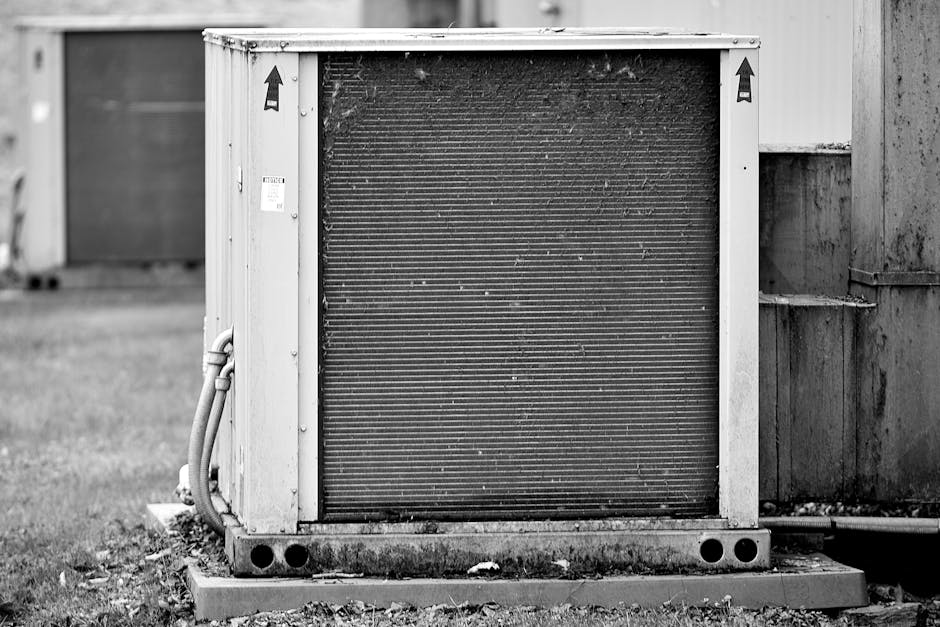
5 Signs Your AC Needs Replacement Before Summer Hits
Your air conditioner rarely fails all at once — it sends clear warning signals for months before the final breakdown. Knowing these five indicators can help you plan a replacement on your schedule rather than in the middle of an Austin heat wave when every HVAC company is slammed.
From rising energy bills and inconsistent cooling to the telltale R-22 refrigerant problem, we break down exactly what to watch for and how to decide between repair and replacement with confidence.
Read Full Article →
How Often Should You Change Your HVAC Air Filter?
It's the single cheapest maintenance task Austin homeowners can do themselves — yet it's also the most commonly skipped. The right answer isn't one-size-fits-all. Standard 1-inch fiberglass filters need replacing every 30 days in most Austin homes, especially during peak cooling season when your system runs 12+ hours daily. If you have pets, allergy sufferers, or your home is near construction, go even more frequently. Homes with high-quality 4-inch media filters can go 6–12 months between changes. The consequences of neglect are real: a severely clogged filter starves your system of airflow, causing the evaporator coil to ice over, the blower motor to overwork, and your energy bill to climb 10–15%. During Austin's cedar fever season in December and January, fine pollen particles blast through economy filters entirely — a MERV 8 or higher is worth the few extra dollars. We show you exactly which filter types work best for Central Texas conditions and how to build a simple replacement reminder system that takes 30 seconds to set up.
Read Full Article →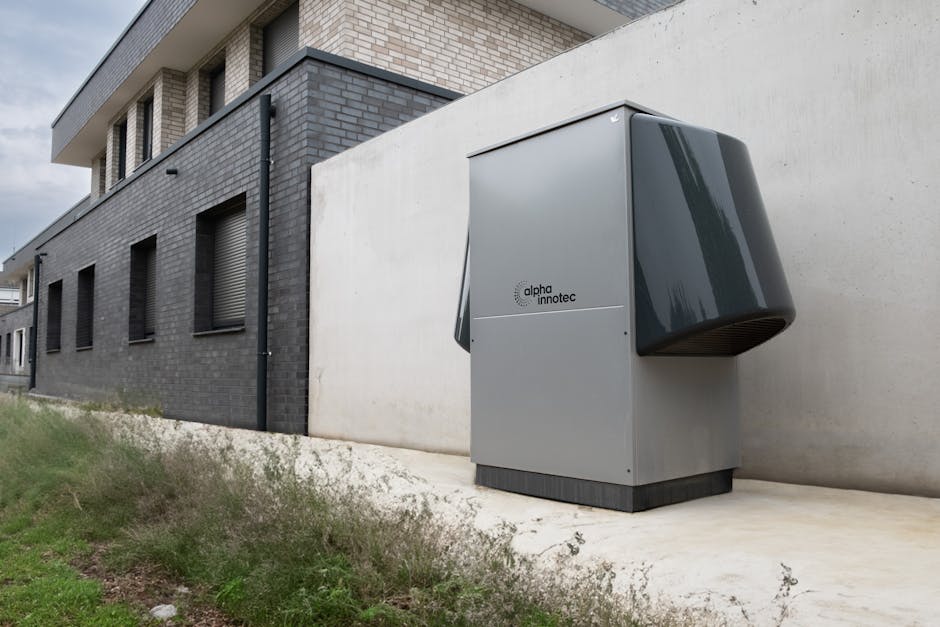
Heat Pump vs. Gas Furnace: Which Is Right for Austin Homes?
If you're replacing your HVAC system, this is the most important decision you'll make — and Austin's unique climate tips the scales in ways that don't apply in most of the country. Heat pumps move heat rather than generate it, which makes them 2–3 times more efficient than gas furnaces when outdoor temperatures are above 35°F. Since Austin sees below-35°F weather only a handful of days per year, heat pumps are exceptionally well-suited here. A modern 18 SEER2 heat pump can handle both your cooling and heating needs with a single system, eliminating your gas bill for climate control entirely. That said, gas furnaces still make sense in certain situations: older homes with existing gas infrastructure, households with high heating demands, or homeowners who experienced the February 2021 freeze and want the raw heating output that a gas furnace delivers when temperatures hit the teens. We walk through the full cost comparison — upfront installation, monthly operating costs, maintenance, and expected lifespan — so you can make a confident, numbers-based decision for your home.
Read Full Article →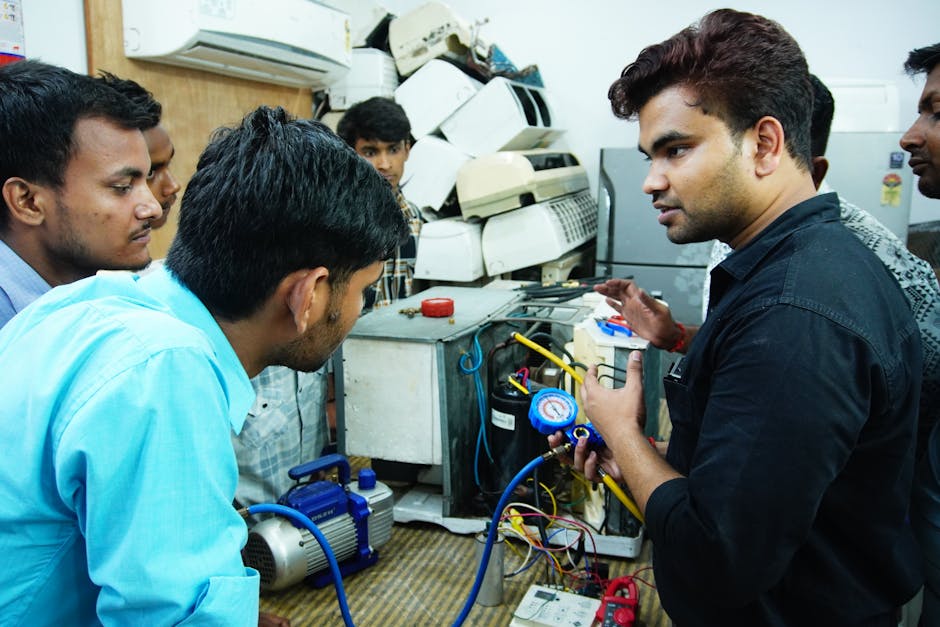
Why Your AC Is Running But Not Cooling — 6 Common Causes
It's 98 degrees outside and your AC is definitely running — the thermostat is on, the outdoor unit is humming, air is blowing from the vents — but the house just won't cool down. This is one of the most frustrating HVAC problems Austin homeowners call us about, because the system seems to be working yet clearly isn't. There are six common causes, and they range from a five-minute DIY fix to a same-day service call. First, check your thermostat is set to COOL (not just FAN) and that the setpoint is actually below the current room temperature. Next, check whether both the indoor and outdoor units are running — a tripped breaker on the outdoor unit is surprisingly common and easy to miss. From there, the most likely culprits are: a dirty or clogged air filter restricting airflow, a frozen evaporator coil caused by low refrigerant or poor airflow, a failing capacitor preventing the outdoor fan from spinning, or low refrigerant from a slow leak. We walk through each scenario with the diagnostic steps our technicians follow, so you can accurately describe the problem when you call — or potentially resolve it yourself before the heat gets any worse.
Read Full Article →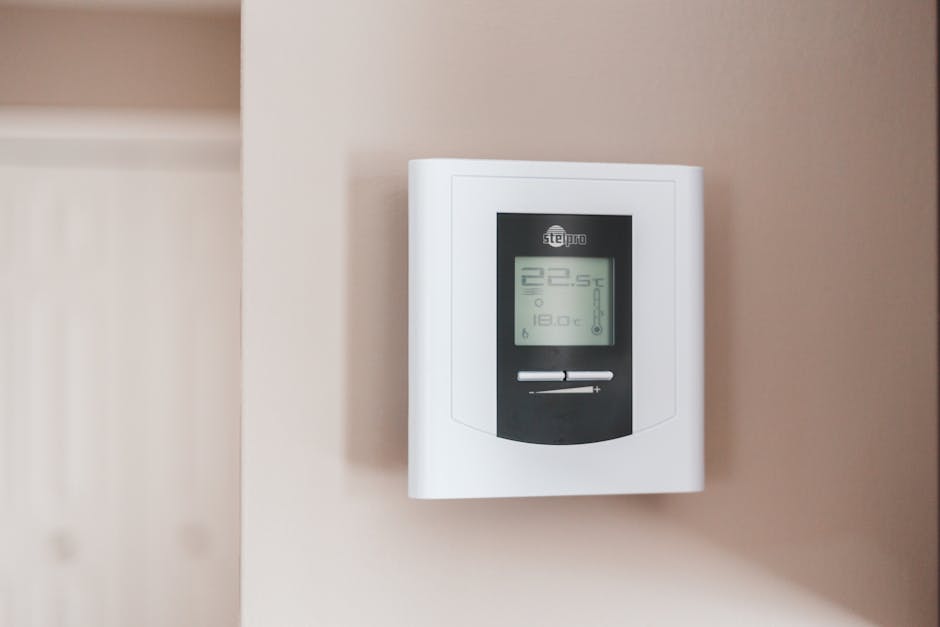
How to Prepare Your HVAC System for Austin Summer
Every year, Austin HVAC companies get slammed with emergency calls in late May and June from homeowners whose systems haven't been touched since the previous summer. The repairs are almost always things that could have been caught with 30 minutes of prep work in March. Here's the seasonal checklist our NATE-certified technicians follow before Austin's heat kicks in. Start with your air filter — replace it completely, even if it was changed recently, since the system will run hard for the next five months. Next, check your outdoor condenser unit: clear any debris, leaves, or vegetation from within two feet of the unit, and gently rinse the condenser fins with a garden hose to remove built-up dirt and cottonwood fuzz. Inside, locate your condensate drain line — typically a white PVC pipe near your air handler — and flush it with a cup of diluted bleach to prevent the algae clogs that can trigger a system shutdown on a 105-degree day. Finally, check every supply and return vent in the house to make sure none are blocked by furniture. These four steps take less than an hour and can mean the difference between a smooth summer and a sweaty emergency repair in August.
Read Full Article →
SEER Ratings Explained: What They Actually Mean for Your Austin Energy Bill
If you've gotten a quote for a new AC system recently, you've seen SEER ratings — probably ranging from 14 to 26. The salesperson likely told you that higher is better. That's true, but the real question is: how much better, in dollars, and is the price difference worth it for your specific situation? SEER stands for Seasonal Energy Efficiency Ratio, and it measures how much cooling your system delivers per unit of electricity consumed. A 16 SEER system uses roughly 12% less energy than a 14 SEER system to deliver the same amount of cooling. In Austin, where your AC can account for 50–60% of your summer electricity bill, that translates to real money. On a typical Austin home running a 3-ton system, the jump from 14 to 16 SEER saves approximately $120–$180 per year in electricity costs. The jump from 16 to 20 SEER saves another $100–$150 per year. Whether those savings justify the higher purchase price depends on how long you plan to stay in the home, your current electricity rate, and how heavily you run the system. We run through the math for three common Austin household scenarios so you can see exactly what each SEER tier is worth over a 10-year period.
Read Full Article →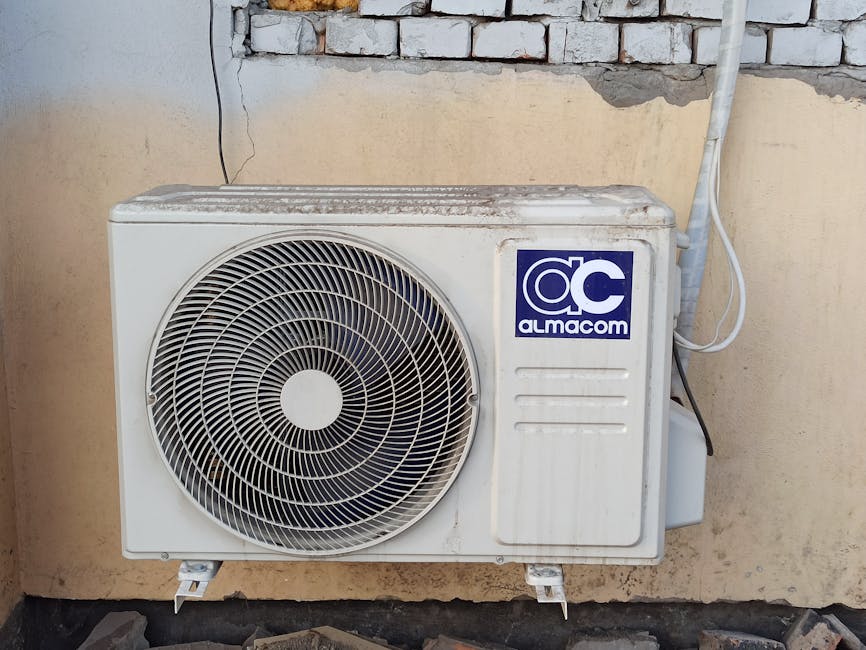
The Complete Guide to Ductless Mini-Split Systems for Austin Homes
Mini-split systems have gone from specialty product to one of the most requested HVAC installations we do — and for good reason. If you have a garage, a home addition, a converted attic, a sunroom, or an older home without existing ductwork, a mini-split is almost certainly the most efficient and cost-effective solution available. Here's everything you need to know before you buy. A mini-split consists of two components: a small outdoor compressor unit and one or more indoor air-handling units mounted high on the wall. They're connected by a refrigerant line that runs through a small hole in the wall — no ductwork required. Installation typically takes one day and causes minimal disruption to your home. Modern mini-splits reach SEER ratings of 20–30+, significantly outperforming most ducted central systems, partly because they eliminate the energy losses that occur in ductwork (typically 20–30% of conditioned air is lost in average duct systems). The main considerations are upfront cost (typically $2,200–$4,500 for a single-zone system installed), placement of the indoor unit for optimal airflow, and choosing the right capacity for your space. We cover all of it in this guide, including the brands we install and trust, and the questions you should ask any installer before signing a contract.
Read Full Article →